Applications
Each one replaces an existing analog process.
Custom printing solutions for manufacturing
Each one replaces an existing analog process.





VISCOSITIES Up to
particle sizes up to
FIll rate up to
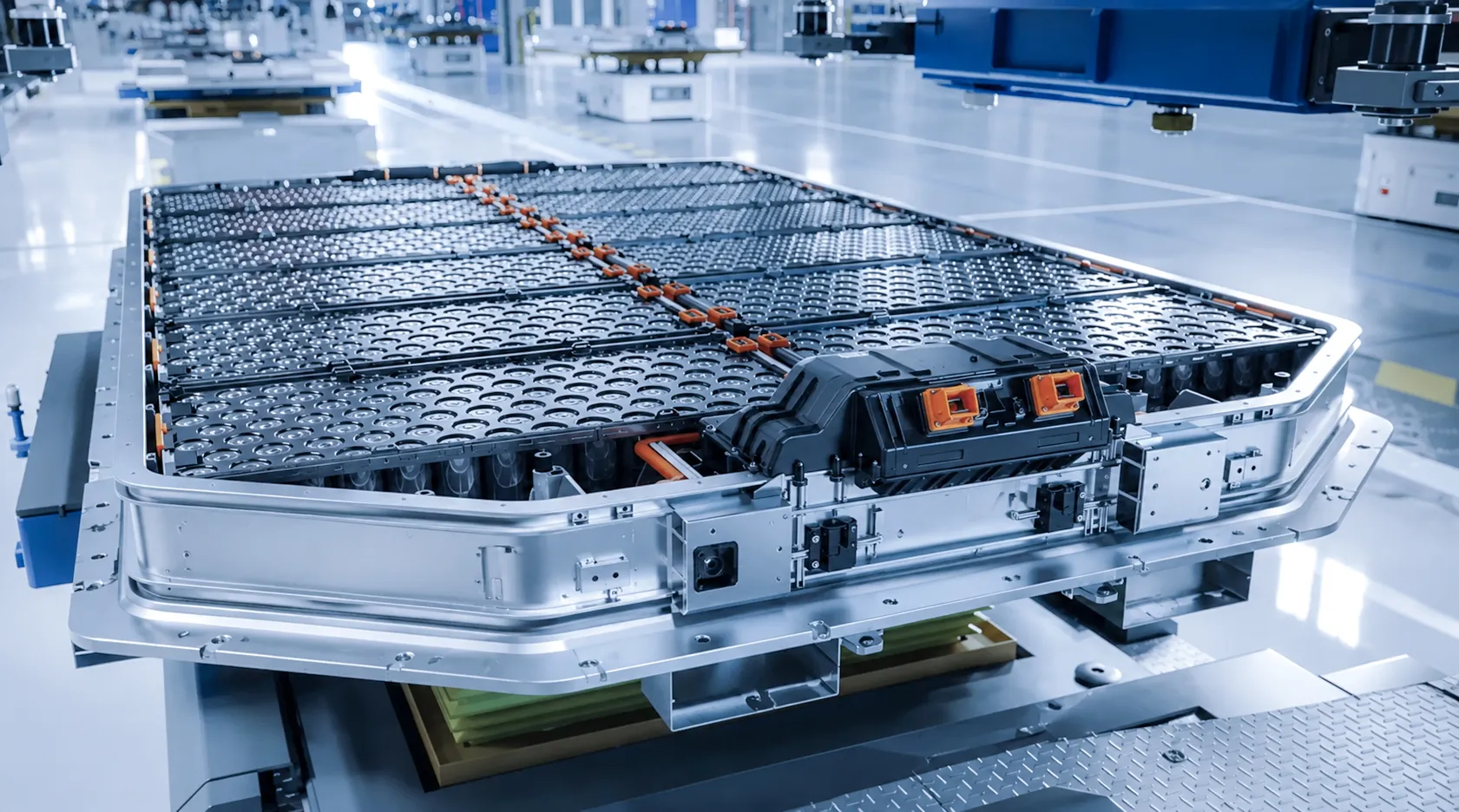
Epoxy and methacrylate adhesives, UV- or thermal-cure.
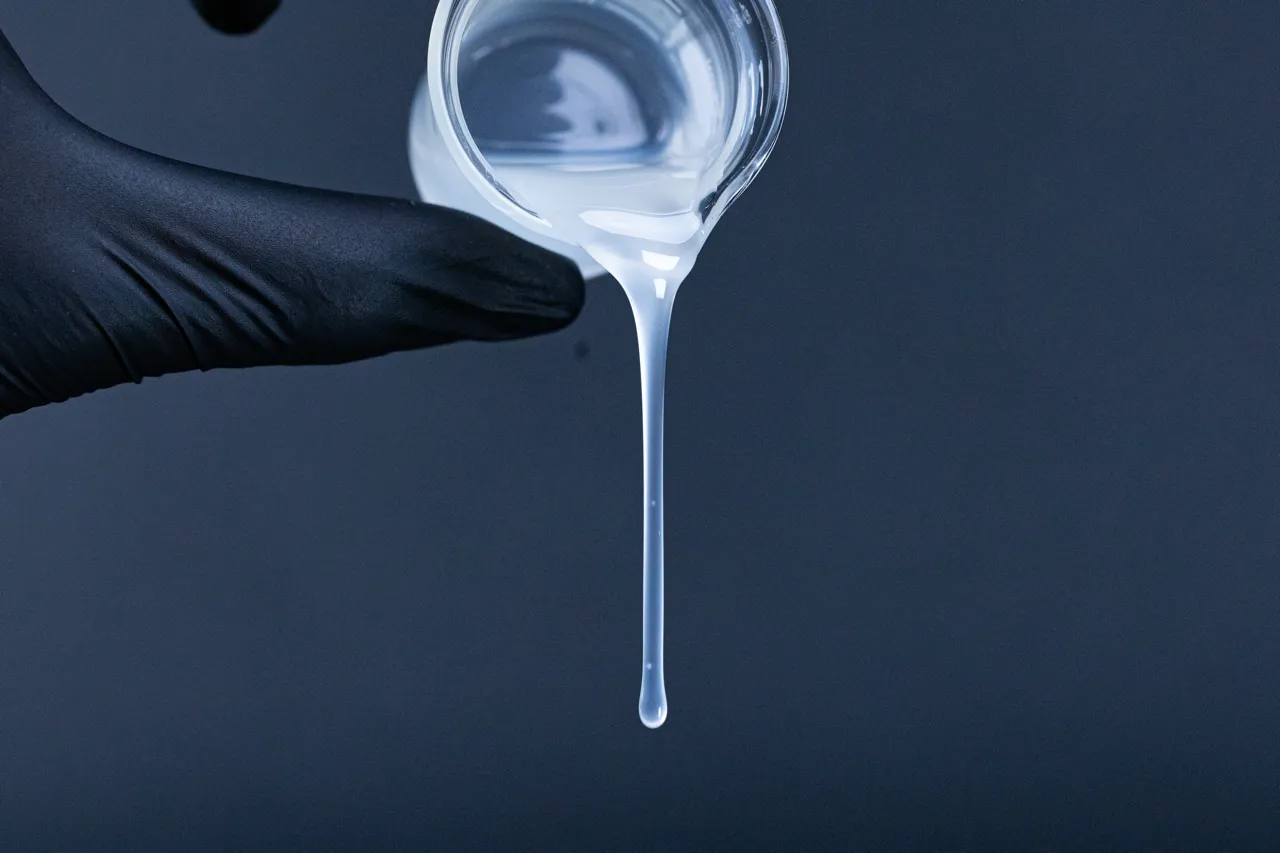
Topcoats, lacquers, varnishes, and primers that protect, insulate, or prepare a surface.
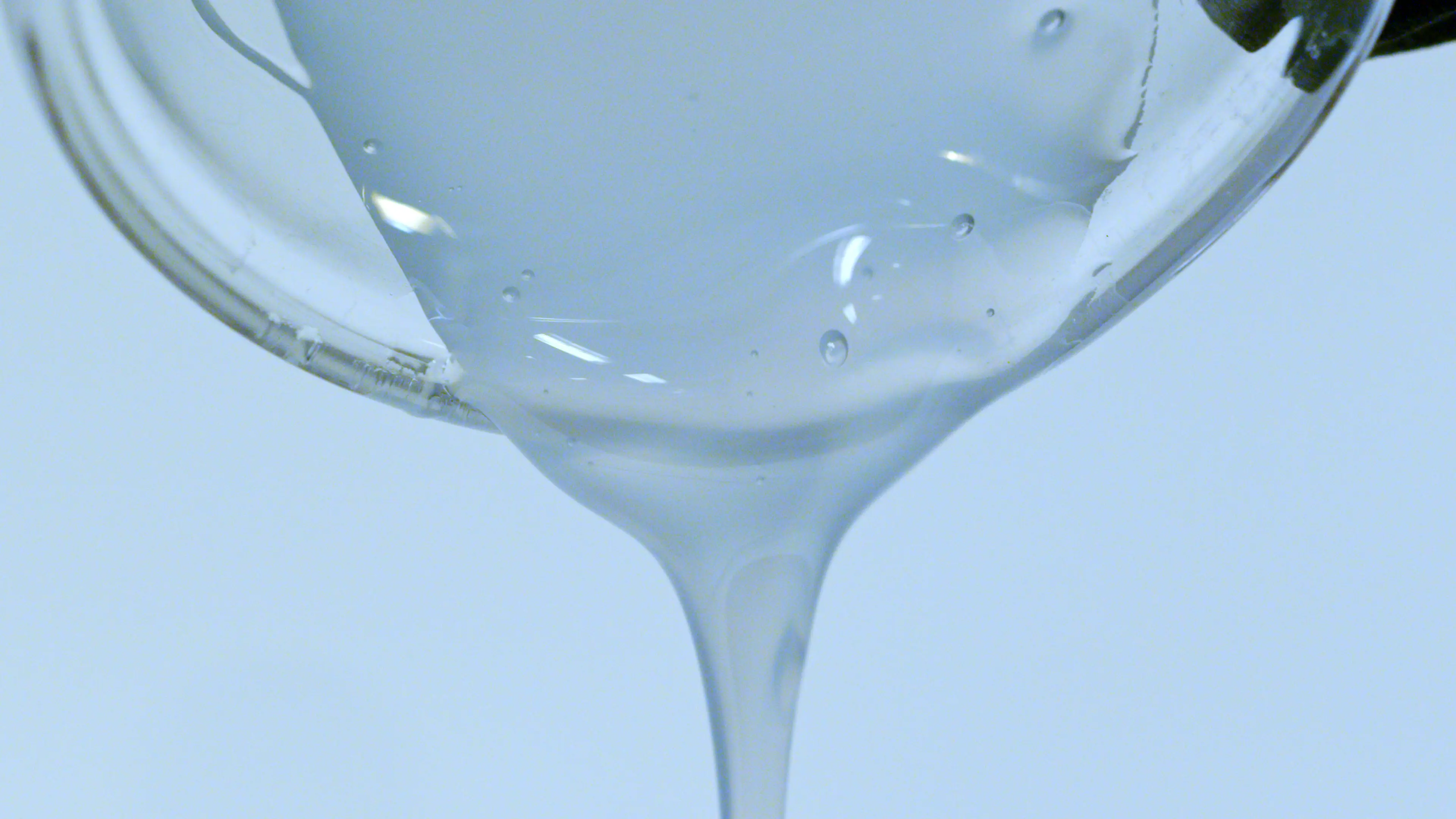
Fluids loaded with ceramic, mineral, or pigment particles, at up to 50 wt%. Particle sizes below ~10 µm (D99).
Other formulations developed for specific applications.
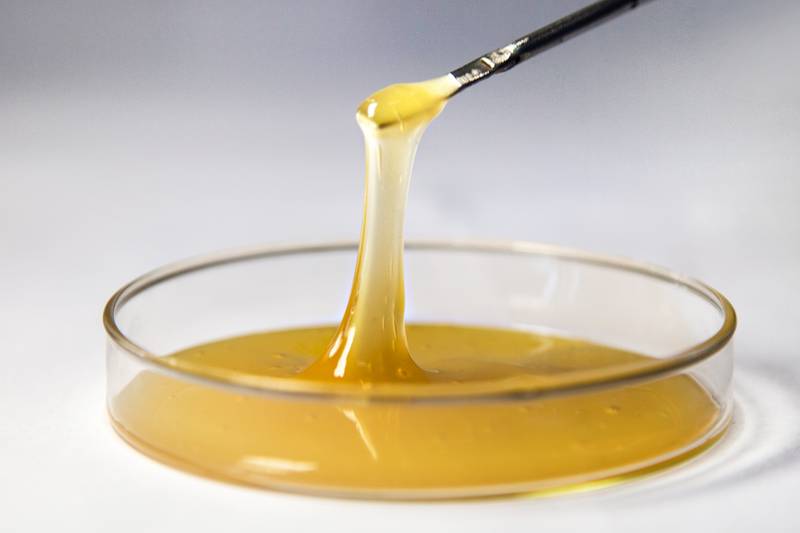





Every application starts with a material. Whether you bring your own or we help you find one, we take it from first evaluation through jetting to printed samples, and beyond.

Learn more about digital coating with whitepapers, reports, and webinars.

WEBINAR
This webinar covers the fundamentals of digital coating, the design behind the NovoJet® printhead, and applications in e-motors and batteries.

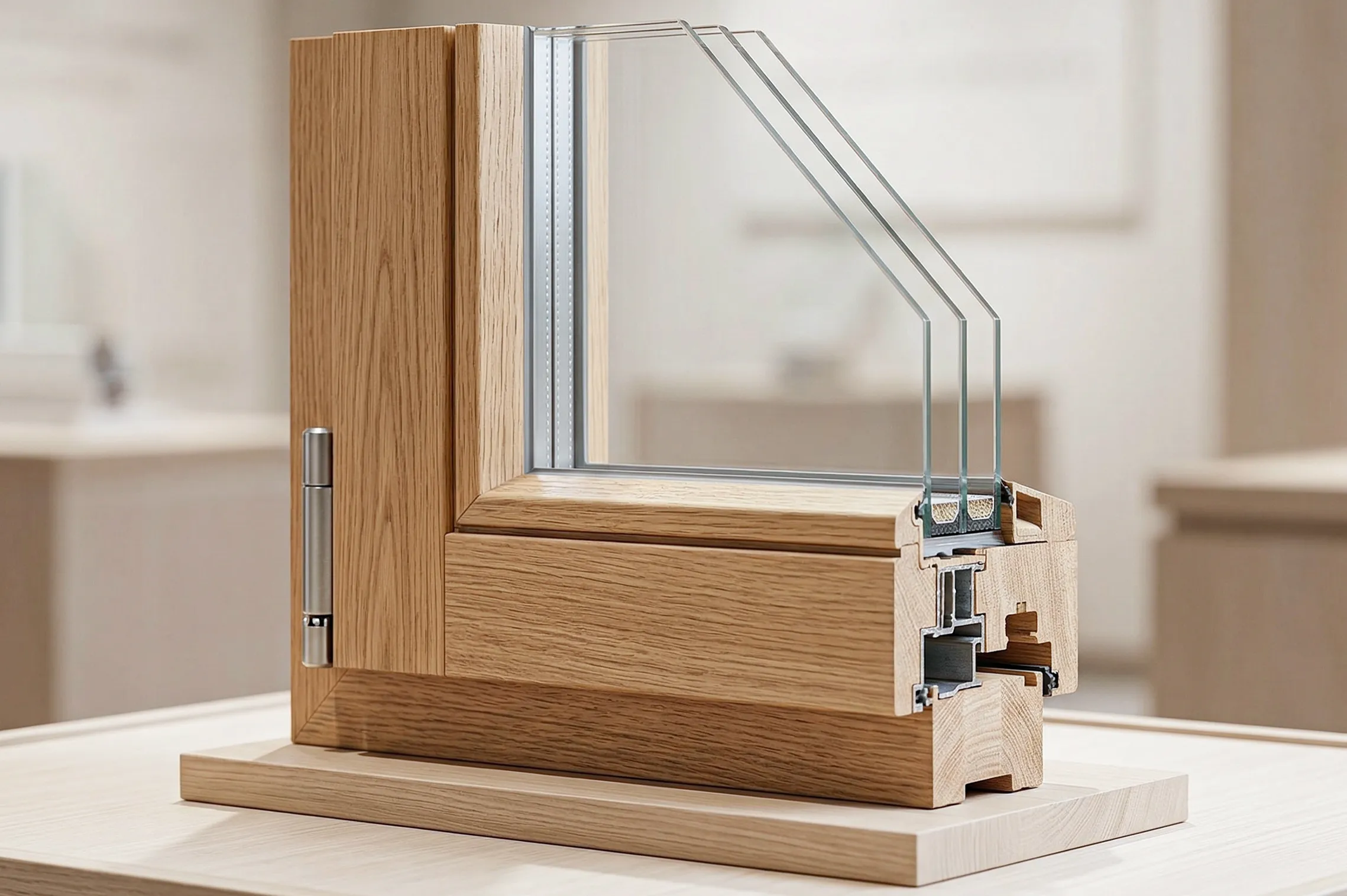
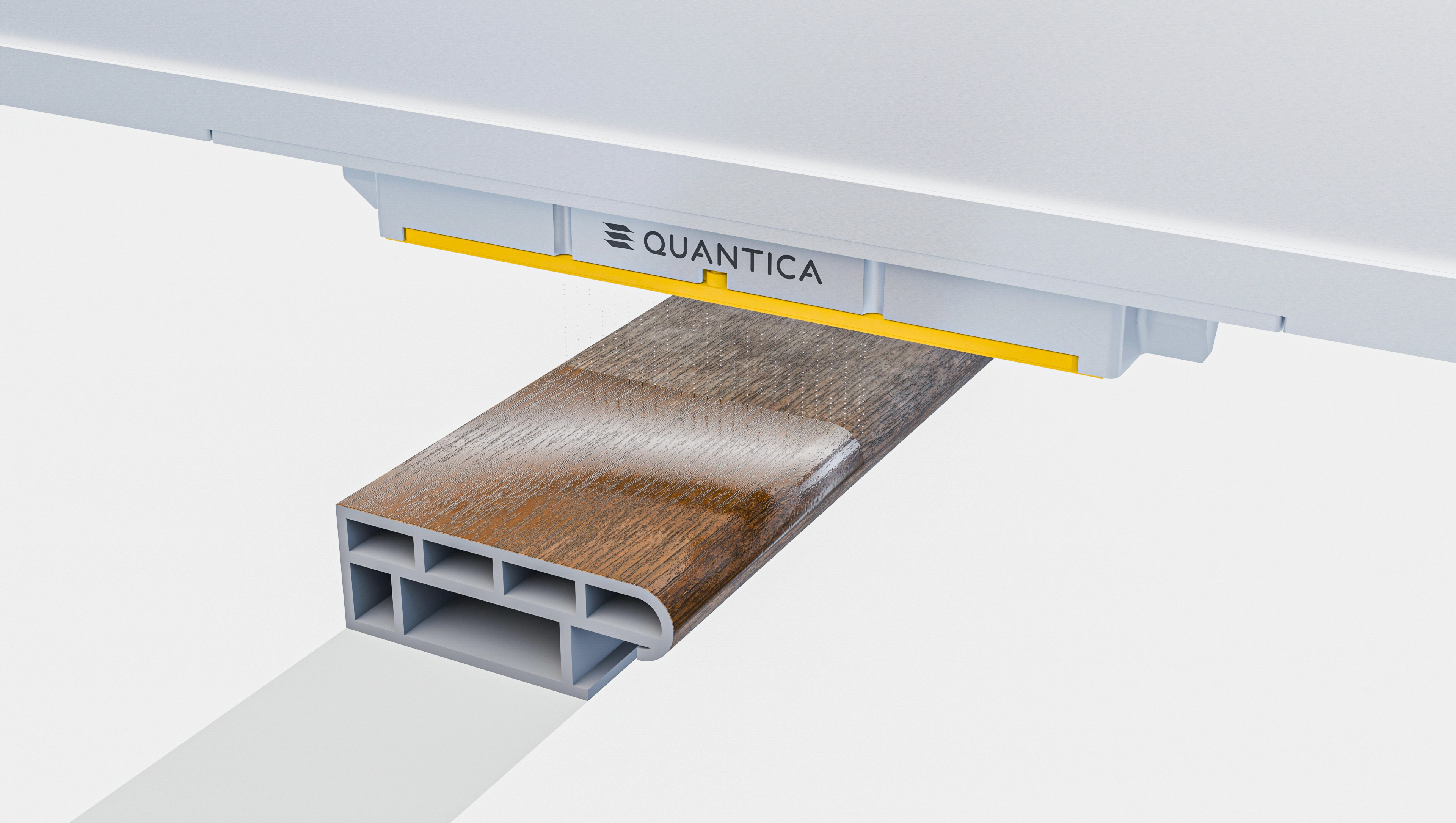
A protective topcoat printed directly on PVC and aluminium profiles. A digital alternative to foil lamination.

One piece workflow. Any decor on any profile, printed on demand with near-zero waste.

2x scratch resistance, at 30 N+ in Erichsen testing (0.75 mm tip).

A UV acrylate particle-loaded topcoat.
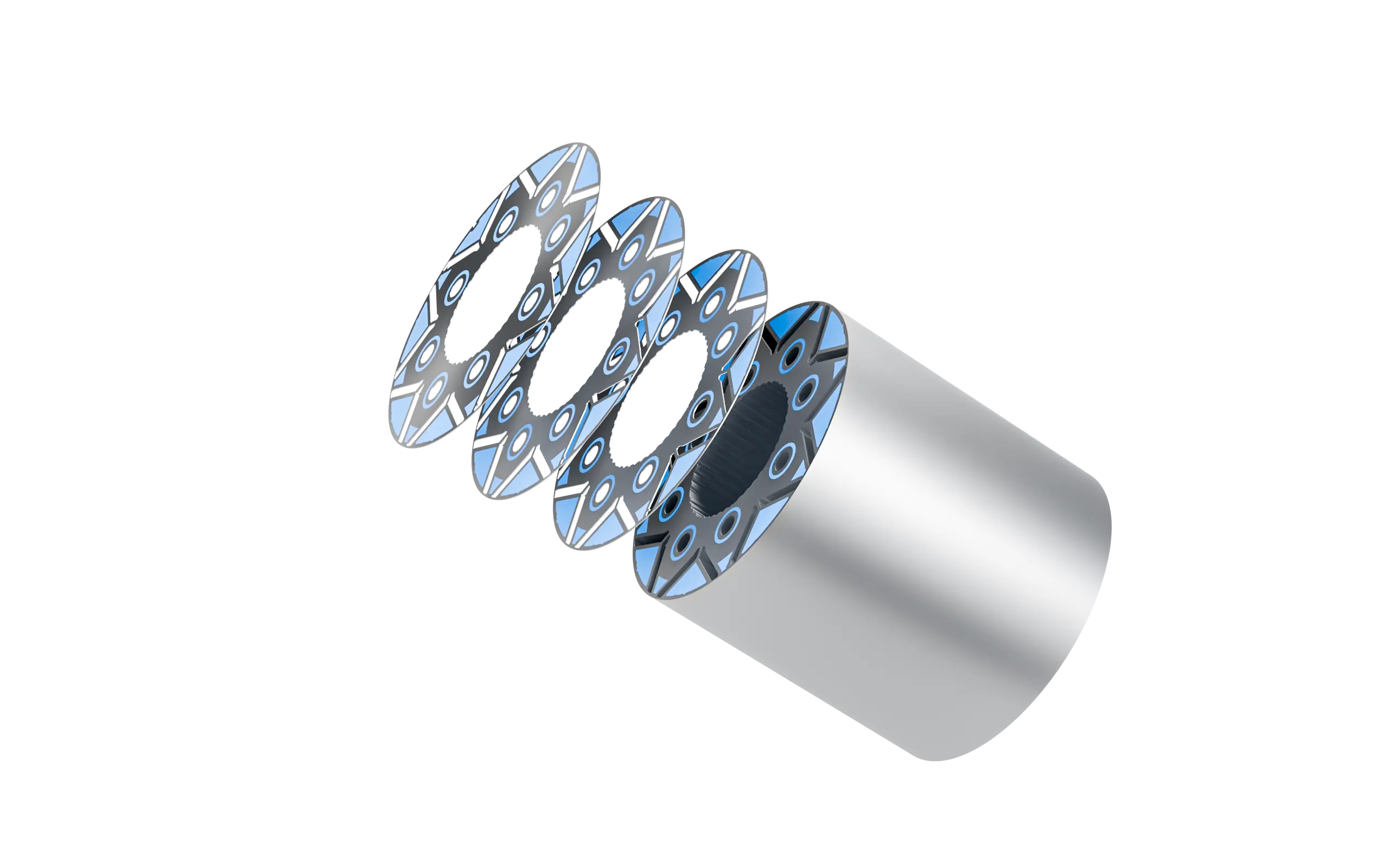
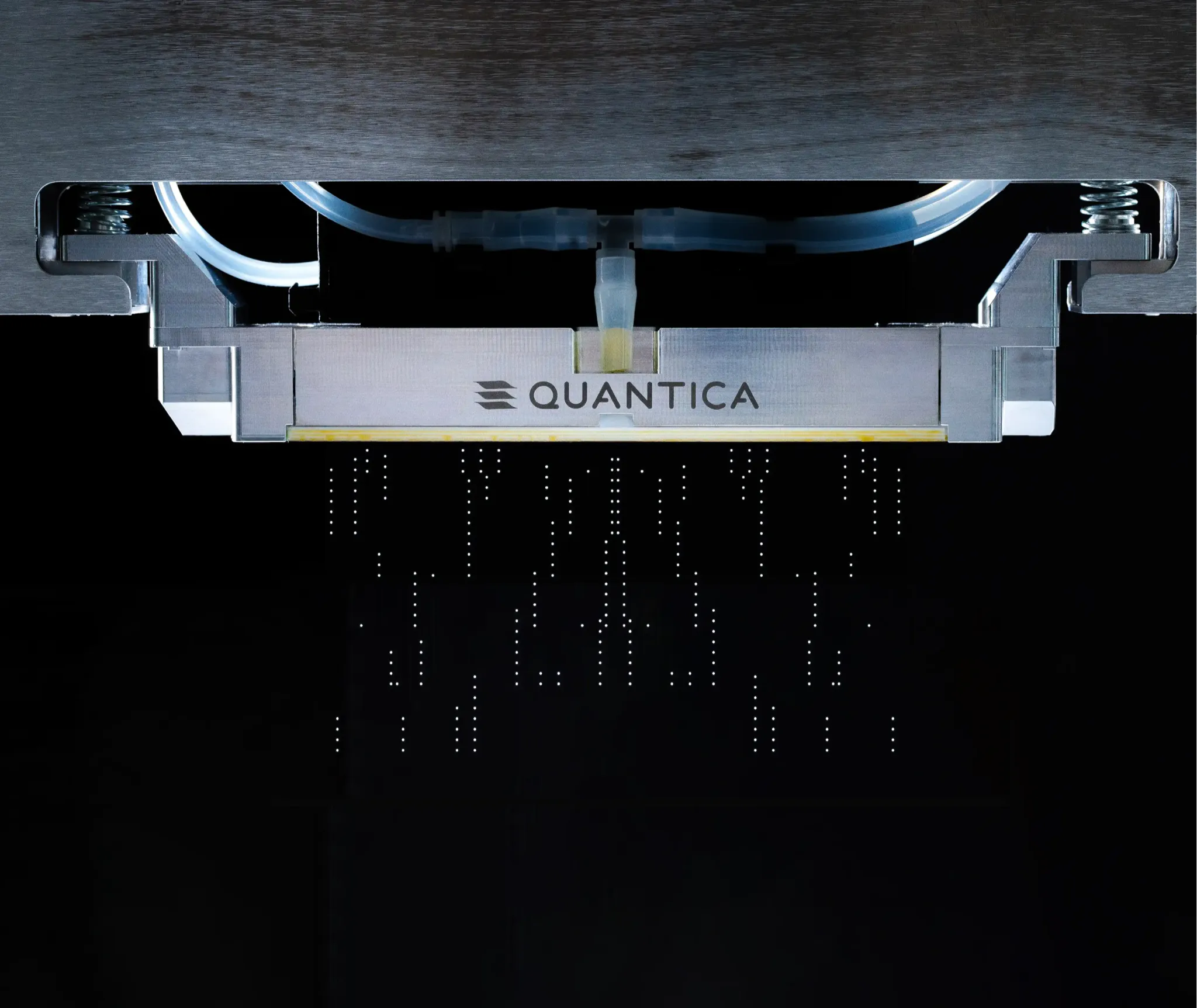
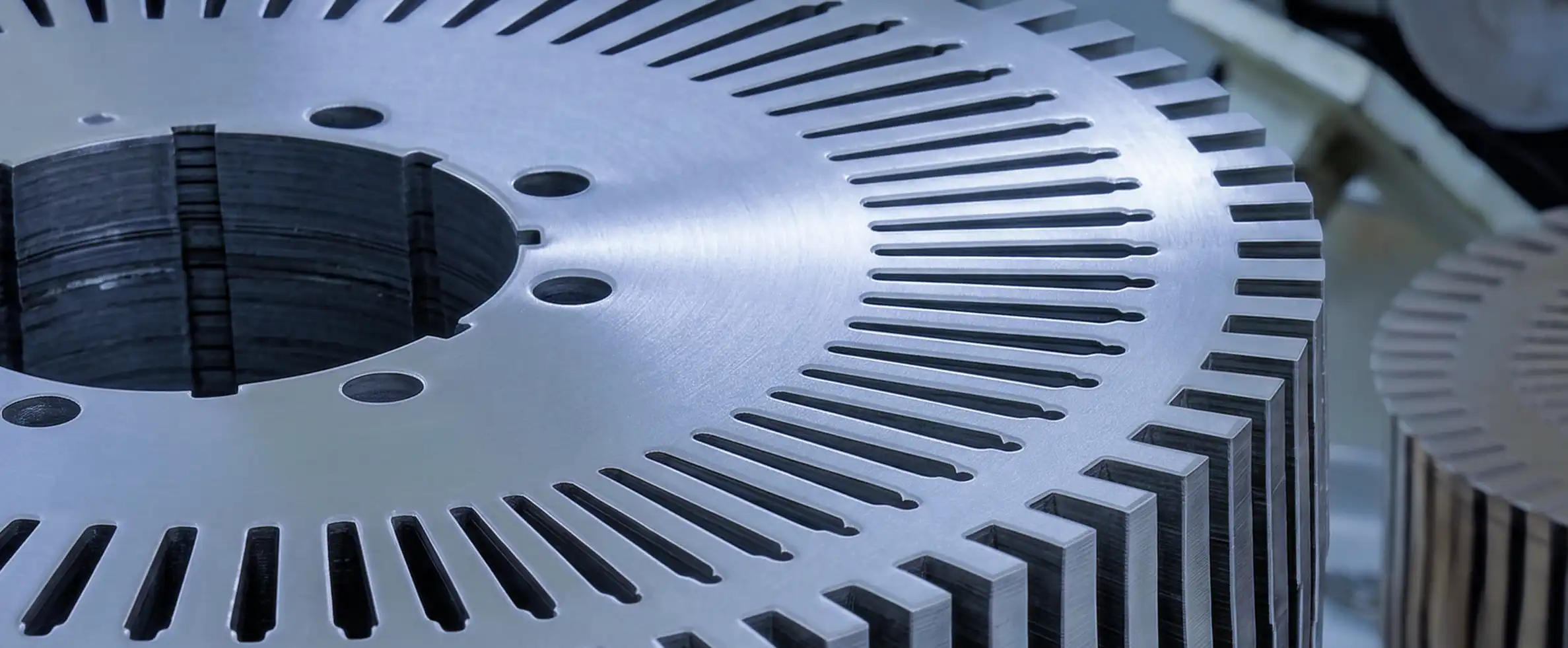
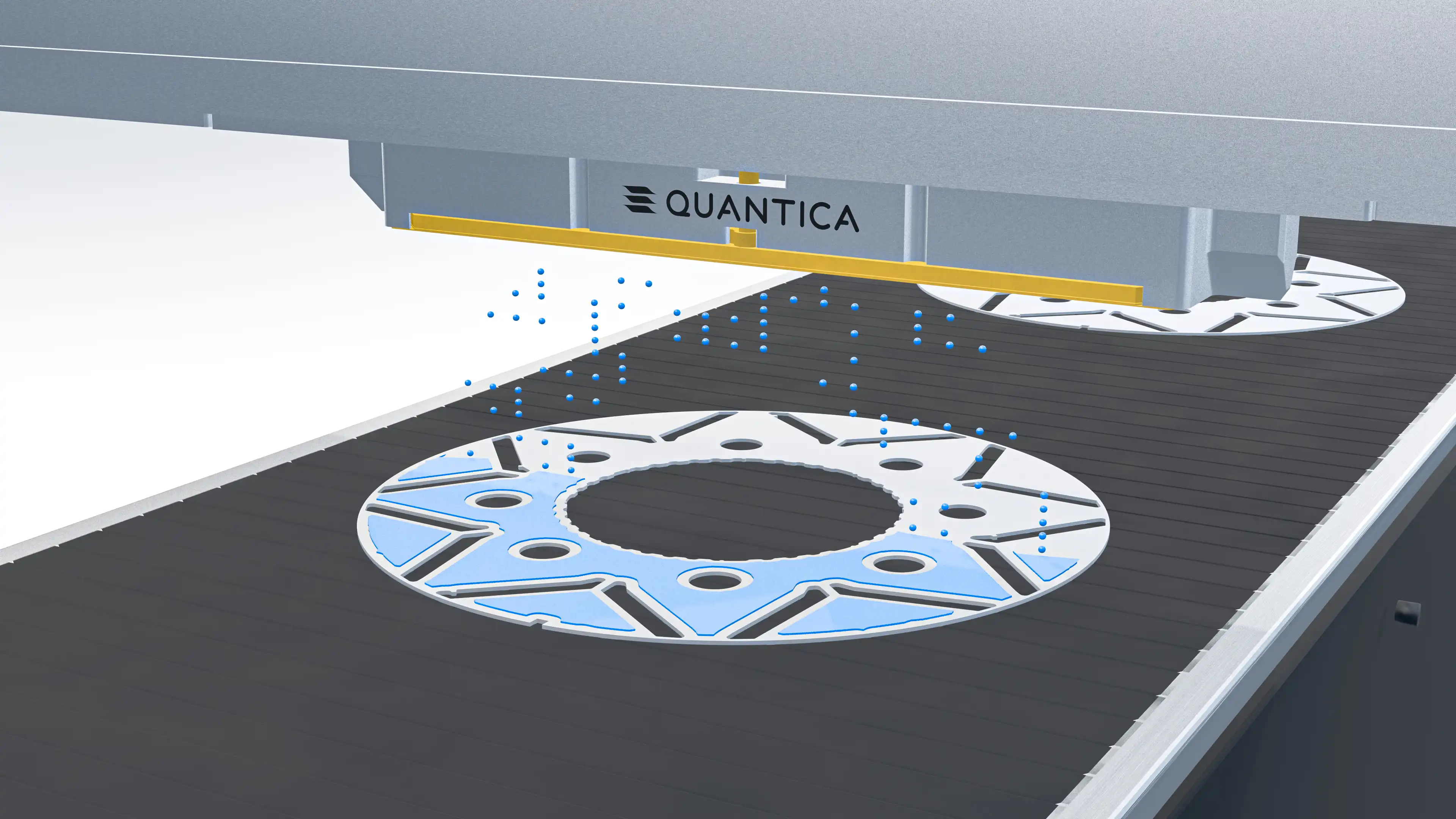
Adhesive printed selectively on rotor and stator lamellae. A digital alternative to interlocking, backlack, and dot dispensing.

Patterns sent straight from your print file, with feature sizes down to 350–500 µm.

Target speeds of 1.2–2 m/s, depending on layer thickness and resolution, at jetting frequencies up to 8 kHz.
Works with existing UV- and thermal-cure epoxies and methacrylates.
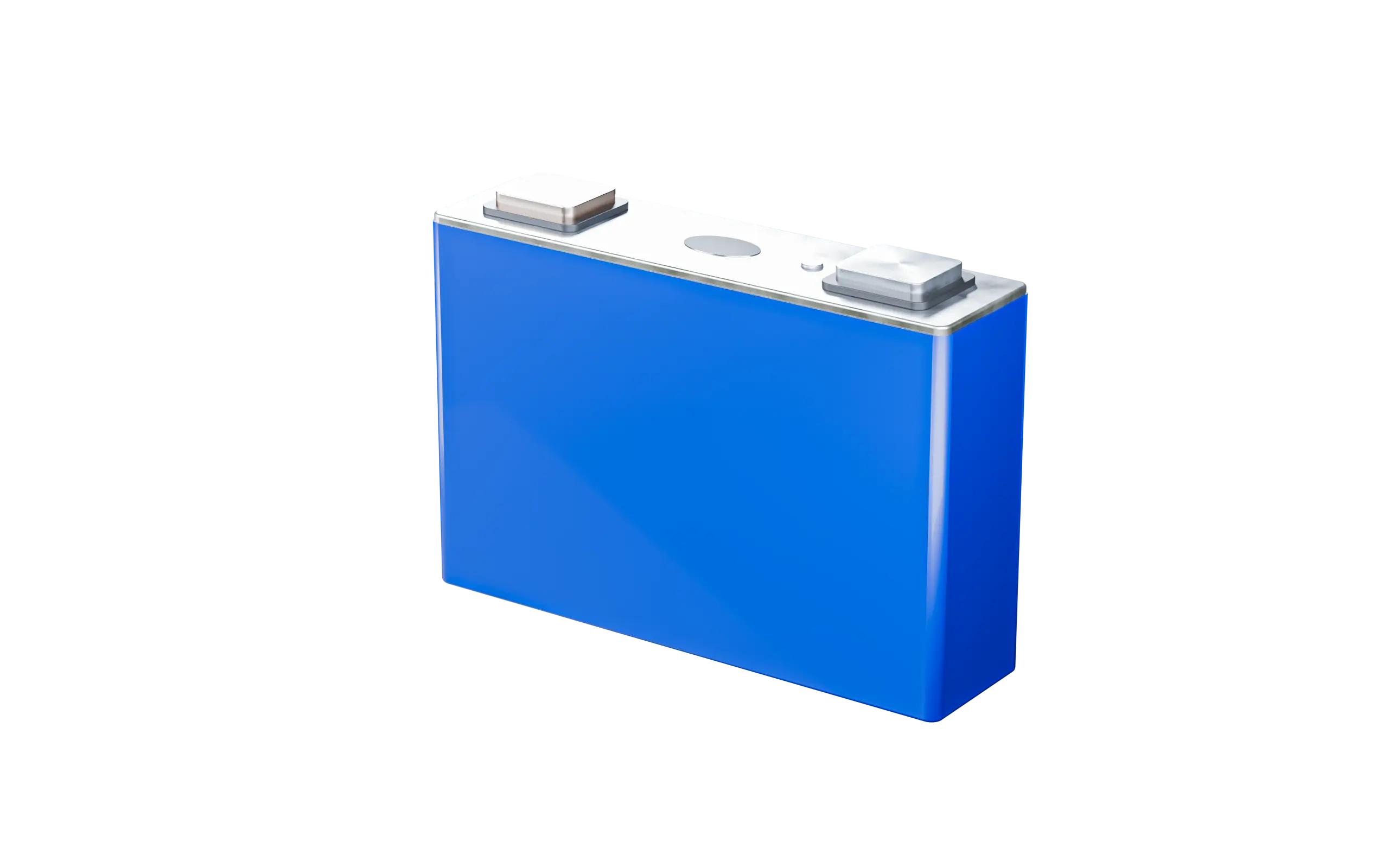
An insulation coating printed on prismatic battery cells. A digital alternative to spray coating.

Equivalent 8 kV insulation resistance (< 3 µA leakage) at lower layer heights, tested at 40–80 µm.
Works with an existing UV-cure coating, 630 mPa·s at room temperature.

No overspray, no masks, and better edge performance.
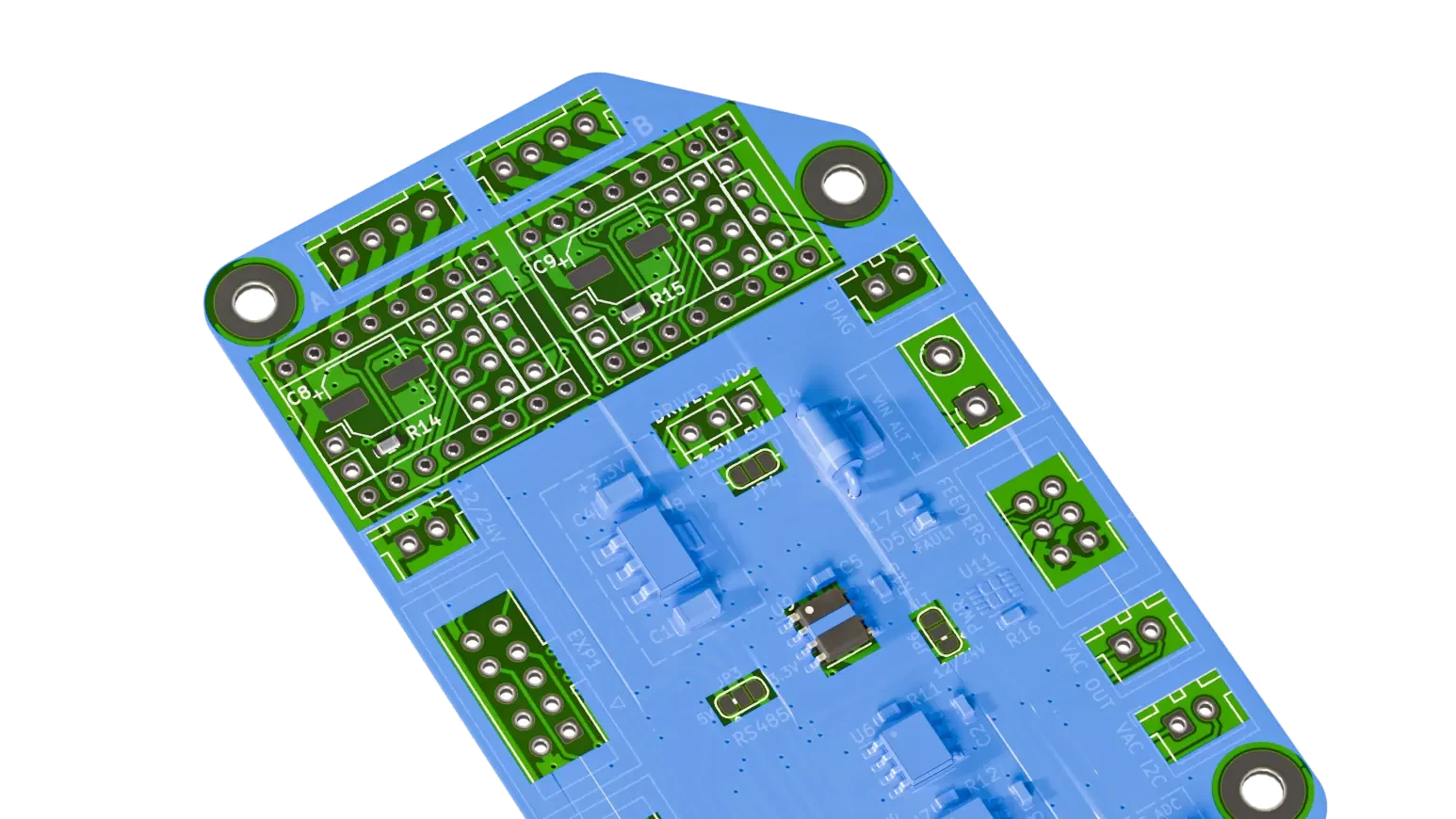
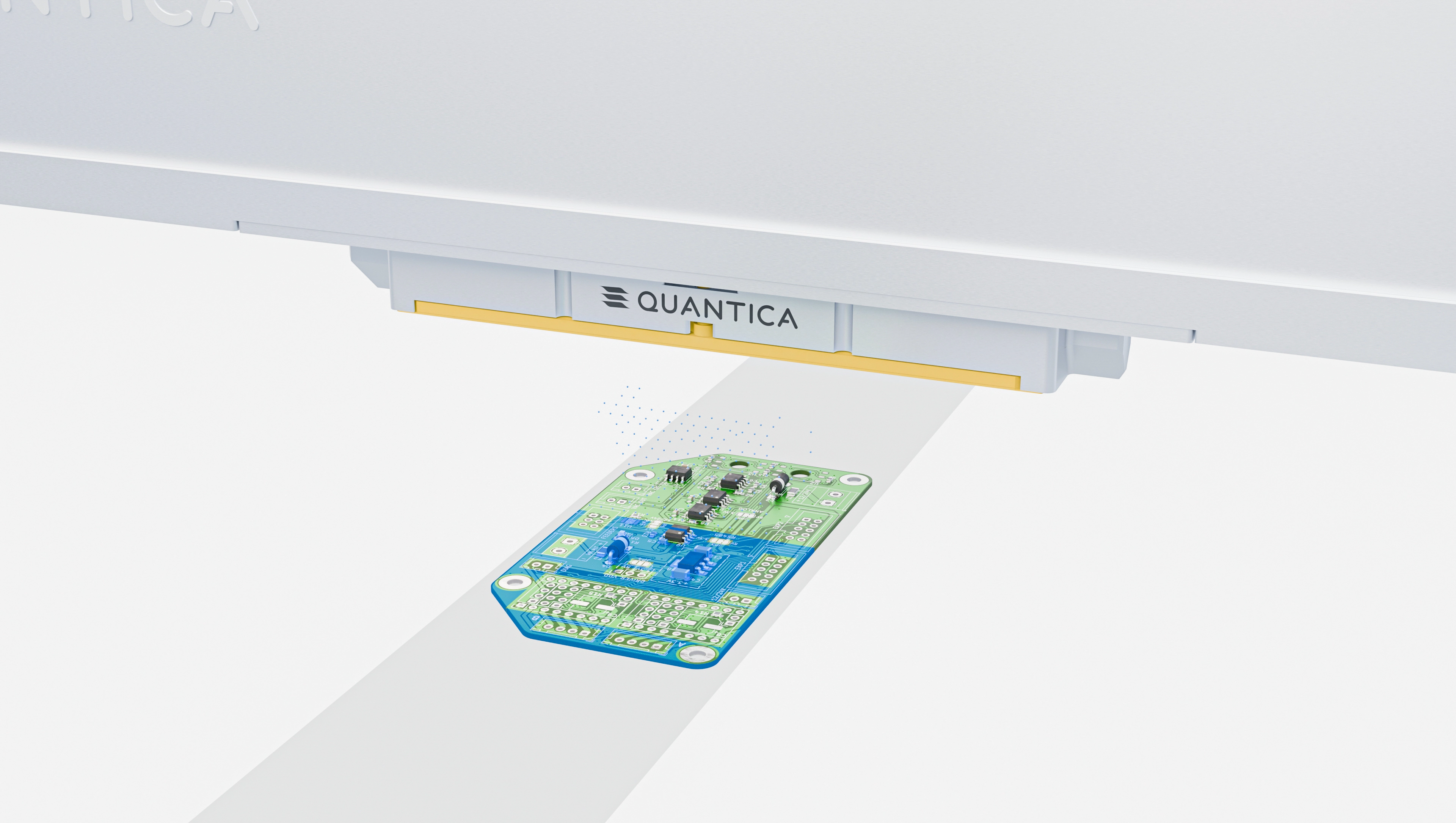
A thin protective film on assembled circuit boards, with connectors and contacts kept uncoated.

Full coverage or localized spots, defined in software.
One-step process that eliminates masking, spraying, and mask removal.
Better edge coverage on components with thinner layers.