High Viscosity Inkjet for Automotive: How Automakers are Rethinking Legacy Deposition Methods
read time 15 min
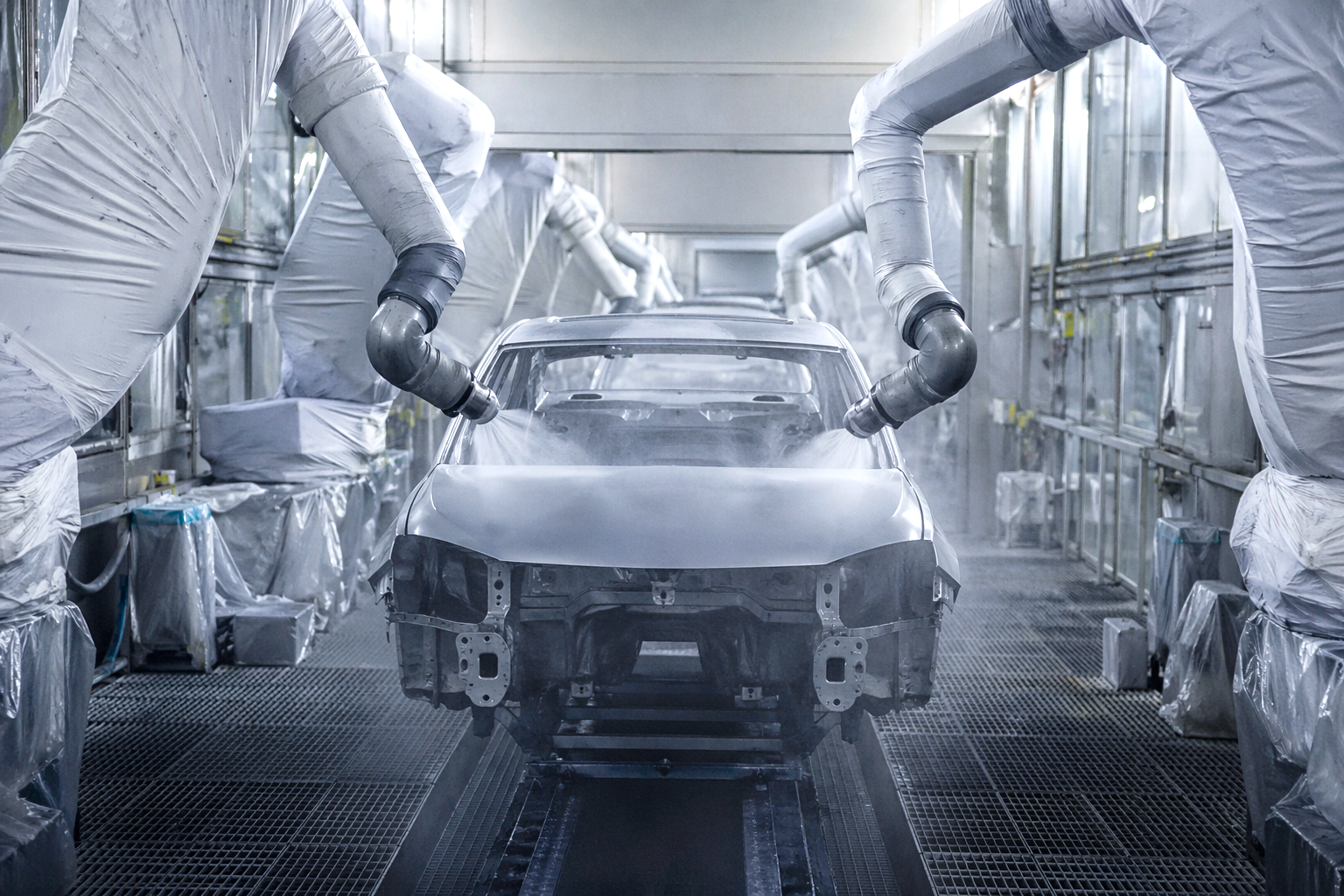
Automotive manufacturing has digitalized rapidly — robotics, process controls, quality systems — but functional material deposition has largely stayed analog. Spray coating, dispensing, and film lamination have served the industry well, but EV production is raising the bar: tighter tolerances, higher voltage requirements, more product variants, and growing pressure on material waste and emissions. This guidebook illustrates how advanced inkjet deposition offers a digital alternative — and the specific automotive applications it's built for.
Key takeaways:
- Why manufacturers are rethinking legacy deposition — transfer efficiency, paint-shop intensity, and electrical motors' 800V precision thresholds.
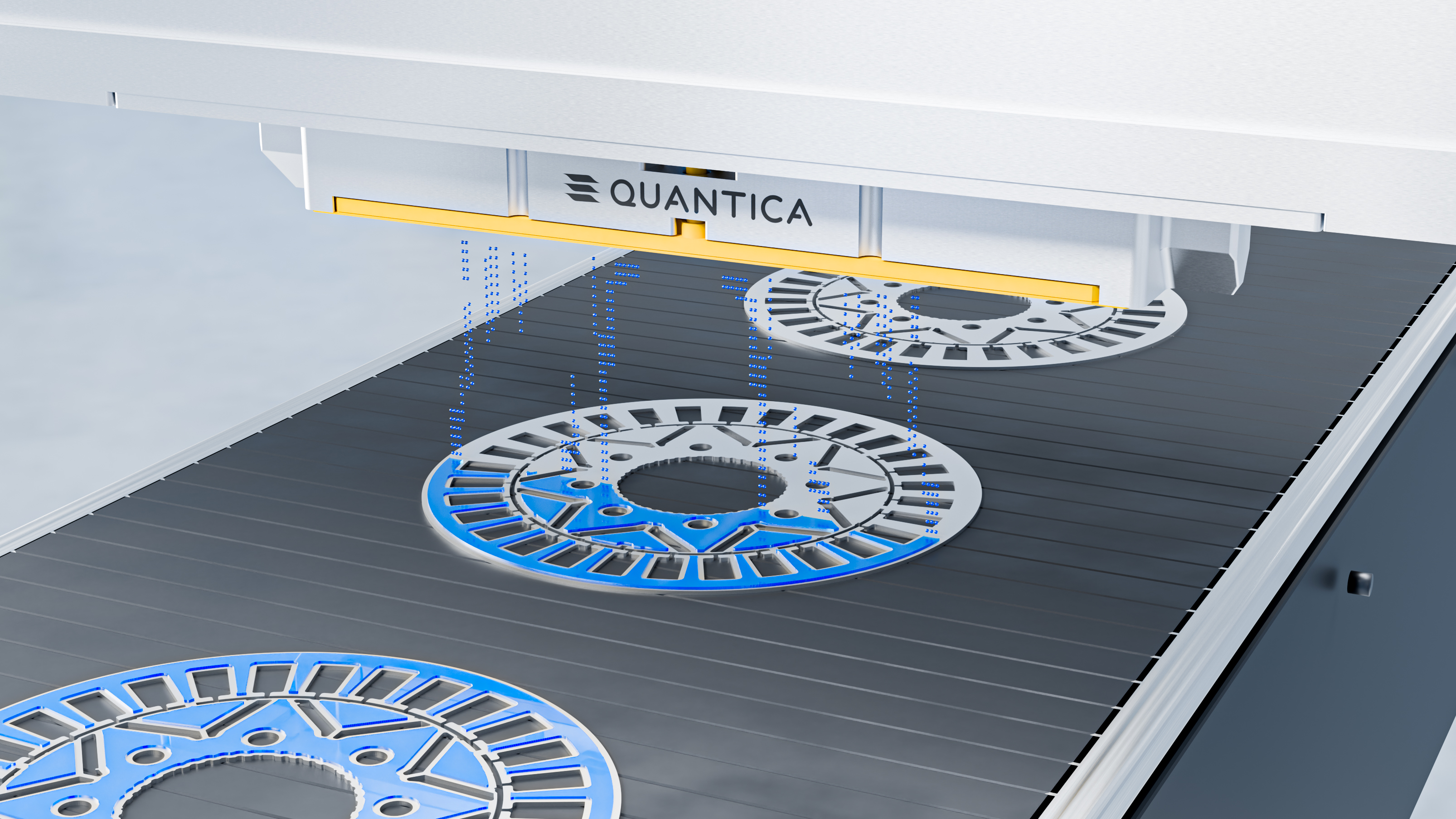
- The high-viscosity inkjet solution — NovoJet™ printhead specs and the software-defined deposition workflow.
- Case studies: E-motor adhesive deposition and battery cell dielectric coating — production-grade results across two flagship EV applications.
.png)